
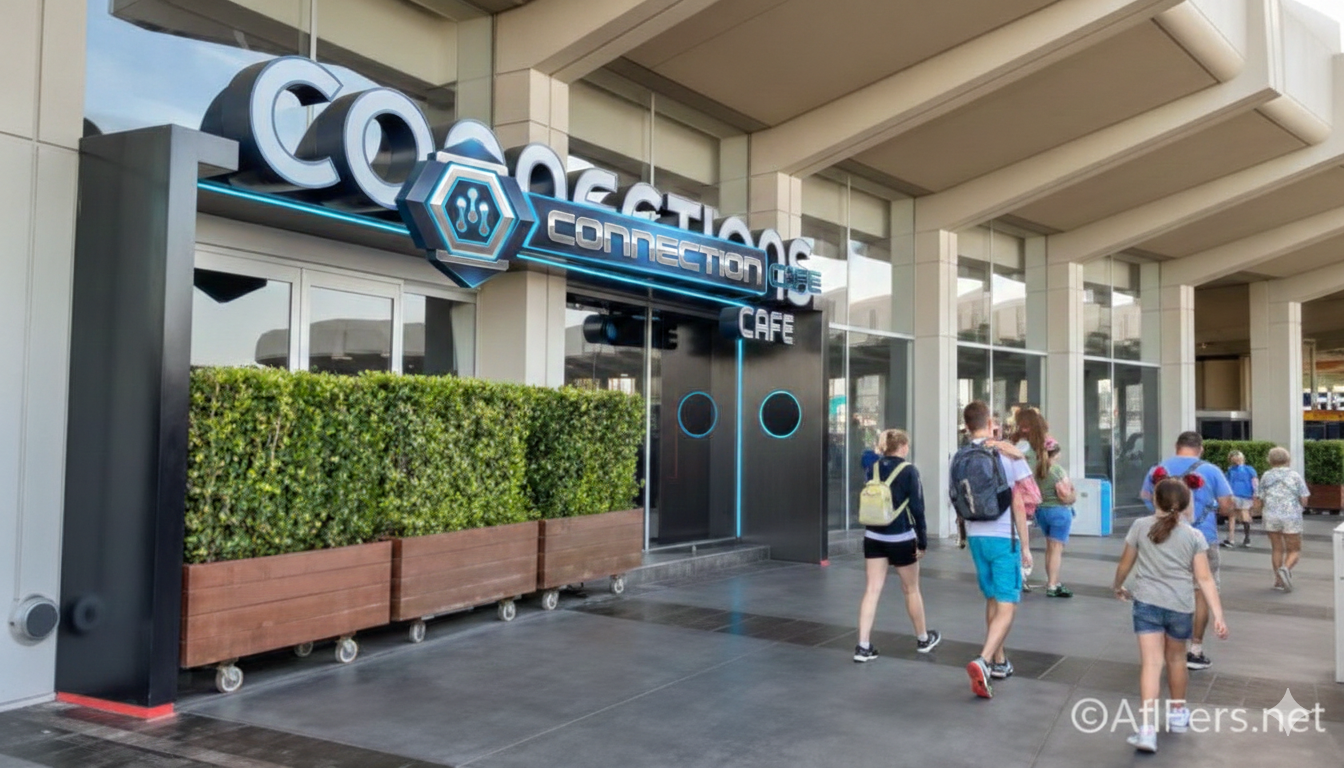
Introduction: Beyond Coffee and Wi-Fi
In an era defined by hyper-connectivity online yet increasing isolation offline, a new social architecture is emerging to bridge the divide. Often operating under the subtle banner of a connectioncafe, these spaces represent far more than a place to grab a latte. They are intentional hubs designed to foster genuine human interaction, collaborative work, and community building. Unlike traditional coffee shops focused on throughput or co-working spaces centered on productivity, the core product of a connection café is the community itself. This article explores the philosophy, operational model, and profound social impact of these vital third places, examining why they are becoming essential infrastructure for towns and cities worldwide.
The Philosophy Behind the Connection Café Model
Redefining the “Third Place”
Sociologist Ray Oldenburg coined the term “third place” to describe the essential public spaces separate from home (first place) and work (second place) where community life unfolds. Traditional pubs, cafes, and town squares served this role for generations. The modern connectioncafe is a deliberate revival and evolution of this concept for the 21st century. Its philosophy is built on a foundational belief: that human beings require regular, informal, face-to-face contact to thrive. In a 2023 study published in the Journal of Social and Personal Relationships, researchers found that individuals who frequented a local “community-anchored space” reported 30% lower feelings of loneliness and a 25% greater sense of belonging to their local area compared to those who did not.
Intentional Design for Unintentional Interaction
Every element within a successful connectioncafe is curated to lower barriers to interaction. This is a stark contrast to cafes where seating arrangements, lighting, and layout often discourage conversation. Expert interior designers specializing in these spaces emphasize “collision points” areas like communal tables, shared kitchenettes, or curated book nooks where spontaneous conversations are not just possible, but likely. Furniture is arranged in clusters, acoustics are managed to allow for easy conversation without excessive noise, and power outlets are strategically placed to encourage longer, more settled stays rather than quick in-and-out transactions.
Core Pillars of a Successful Connection Café
1. Curated Programming Over Passive Space
A static space will not cultivate community. The most impactful connection cafés operate with a light-touch calendar of events that catalyze interaction. This isn’t about loud, disruptive events, but rather subtle programming. Examples include:
-
Weekly “Skill Share” Mornings: Where patrons can informally teach others a small skill from knitting to basic coding over coffee.
-
Themed Discussion Tables: A small placard on a table with a topic like “Local History,” “Sustainable Gardening,” or “The Future of AI” invites others to join.
-
Community Board & Matchmaking: A physical (and often digital) board connecting people for interests, carpooling, book clubs, or local projects.
Jane Harper, a consultant who has helped establish over two dozen such spaces across the Midwest, notes: “The magic isn’t in the event itself. It’s in the conversations that start there and then continue organically weeks later. The programming is simply the spark.”
2. Hospitality as a Service, Not a Transaction
Staff in these environments are trained as community facilitators as much as baristas or servers. They learn regulars’ names, make introductions between patrons with shared interests, and are empowered to create a welcoming, inclusive atmosphere. This hospitality model builds immense loyalty. Data from the Specialty Coffee Association shows that cafes focusing on community experience have a customer retention rate 2.5 times higher than transactional-focused competitors, even with marginally higher price points.
3. Inclusivity and Accessibility as Non-Negotiables
A true community hub must be accessible to all segments of the local population. This extends beyond wheelchair ramps to include:
-
Financial Accessibility: A clear “suspended coffee” or pay-it-forward system, and a policy that no purchase is necessary to sit and connect for a reasonable time.
-
Programmatic Diversity: Events and seating areas that appeal across age groups, from students and remote workers to seniors and young families.
-
Psychological Safety: Clear, posted values that promote respect and civil discourse, making it a safe space for all.
The Tangible Impact: Why Communities Thrive With a Hub
Economic Resilience
A vibrant connectioncafe acts as an anchor for local economic activity. It increases foot traffic, which benefits neighboring retail stores. It provides a low-risk, low-overhead venue for micro-entrepreneurs, freelancers, and artisans to network, meet clients, and even test products. A 2022 report by the Project for Public Spaces found that neighborhoods with a strong, community-oriented “third place” saw a 15-20% higher stability in small business occupancy rates compared to similar areas without one.
Social and Mental Health Benefits
The mental health crisis, particularly around loneliness, is well-documented. The U.S. Surgeon General’s 2023 advisory on the epidemic of loneliness highlighted the role of community infrastructure as a critical part of the solution. A connectioncafe serves as a prophylactic against social isolation by providing a low-pressure, routine-based opportunity for social contact. For new residents, retirees, or people working from home, it can be the primary engine for building a local social network.
Civic Engagement and Collaboration
These spaces often become the unofficial town halls of the 21st century. Local nonprofits host meet-and-greets, neighborhood associations hold informal meetings, and grassroots initiatives find their first volunteers. By providing neutral ground, a connection café fosters cross-pollination between different community groups that might otherwise operate in silos.
Operational Insights: Building a Sustainable Model
The Revenue Conundrum and Hybrid Solutions
Selling coffee alone is rarely enough to sustain the spacious, stay-awhile model a true connection café requires. Successful operators employ hybrid models:
-
Membership Tiers: Offering a nominal monthly fee for perks like reserved seating, event discounts, or meeting room access, without excluding non-members.
-
Space Rental: Renting out a dedicated event space during off-hours for workshops, classes, or private meetings.
-
Partnerships: Hosting local businesses for pop-ups or partnering with a nearby library or community college for sponsored programming.
-
Community-Supported Models: Some operate as non-profits or co-ops, funded partly by member-owners who have a stake in the space’s mission.
Technology as a Bridge, Not a Barrier
While fostering in-person connection, smart technology can enhance the model. A simple community app can notify members of impromptu gatherings, manage event sign-ups, or host a virtual board for requests and offers. The key is that the tech serves the physical community, not replaces it.
The Future of Connection Spaces
Adaptation in a Post-Pandemic World
The pandemic accelerated remote work and digital dependency, but it also crystalized the human need for shared space. The connectioncafe of the future may feature more hybrid elements like high-quality AV for a remote participant to join a local book club meeting but the core focus will remain physical presence.
Scaling the Concept Beyond Urban Centers
While often associated with cities, the need is perhaps greatest in suburban and rural areas where isolation can be more severe. The model adapts to smaller scales a corner of a local library, a renovated storefront on a main street, or a partnership with a faith-based institution.
Conclusion: The Essential Infrastructure of Belonging
The rise of the connectioncafe is not a passing trend in food service; it is a societal correction. As digital platforms commodify our attention, these physical spaces reclaim our presence. They answer a deep, persistent human need for unstructured belonging and serendipitous encounter that algorithms cannot replicate.
Building and supporting such a space is an act of community optimism. It requires viewing success not just in revenue per square foot, but in introductions made, friendships formed, and local projects launched. For entrepreneurs, community leaders, and residents alike, investing in the concept of a connection café is an investment in social capital the very fabric that holds a community together, making it not just a place to live, but a place to belong.
Frequently Asked Questions (FAQs)
Q: What exactly distinguishes a connection café from a regular coffee shop?
A: The primary distinction is intent. A regular coffee shop is a business whose main goal is to sell food and beverages. A connection café is a community hub whose main goal is to foster relationships and interaction; the coffee and food are a means to that end. This is reflected in the layout, programming, staff training, and policies that encourage lingering and conversation.
Q: Aren’t these spaces just for remote workers and young people?
A: Absolutely not. A well-executed connectioncafe is intergenerational by design. Programming might include morning coffee clubs for seniors, after-school board game sessions for teens, and networking mixers for professionals. The diversity of its patrons is a key measure of its success.
Q: How can I find or start a connectioncafe in my own community?
A: To find one, look beyond typical cafe review sites. Search for community boards, local news articles about “third places,” or ask at your local library or community center. To start one, begin by building a community first. Host pop-up events in existing spaces to gauge interest, form a planning group, and research sustainable hybrid business models. Partnering with an existing organization can reduce initial risk.
Q: With the prevalence of digital networking, is there really a demand for this?
A: The demand is precisely because of digital saturation. Professional networking sites and social media often lead to transactional relationships and comparison fatigue. People crave authentic, low-stakes, face-to-face interaction. The data on rising loneliness and the popularity of community-focused spaces confirms this demand is growing.
Q: Can a connection café be profitable, or is it always a non-profit venture?
A: It can be a sustainable for-profit business, but its profitability metrics are different. It values customer lifetime value and community impact over daily transaction volume. Many operate as “low-profit” businesses (L3Cs or benefit corporations) where financial sustainability is required, but maximizing shareholder return is not the sole objective. The hybrid revenue models discussed earlier are key to this balance.
