
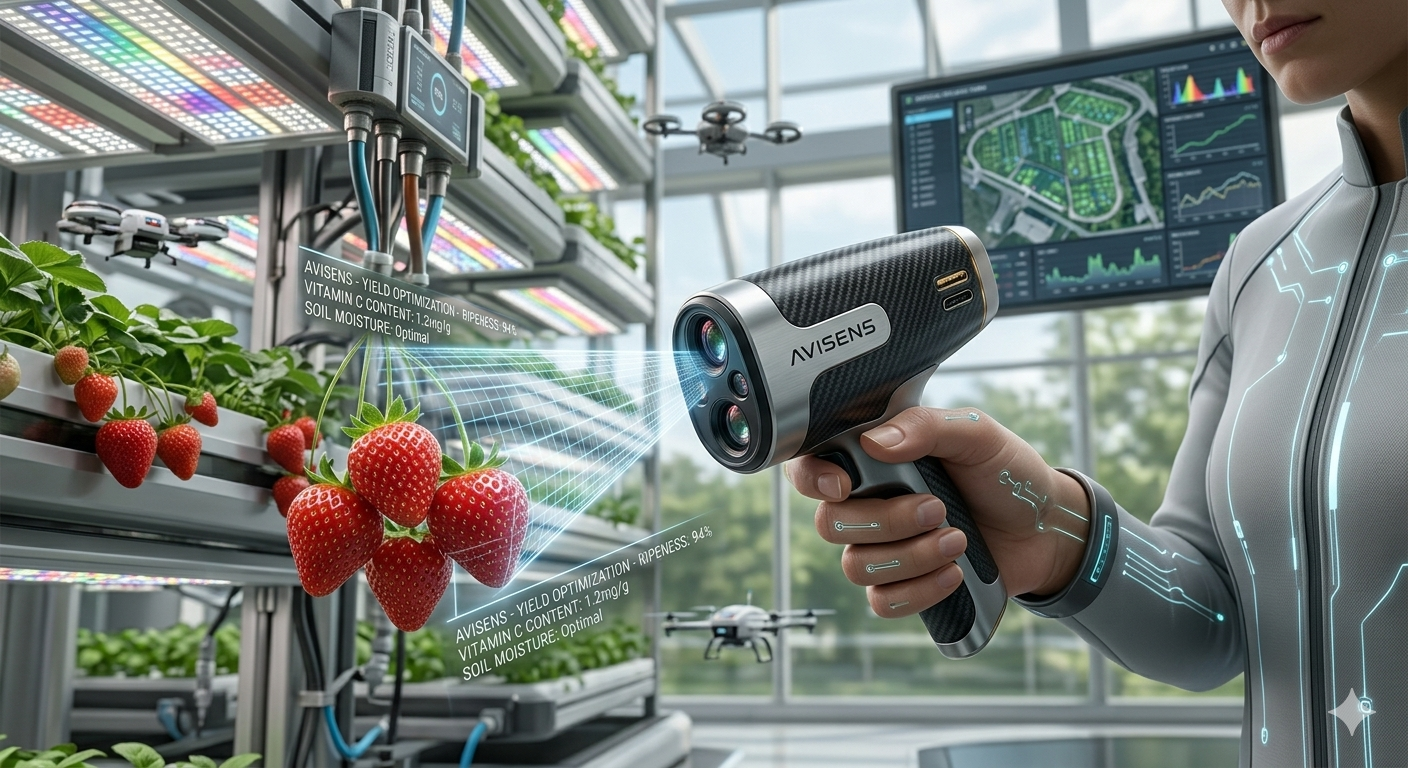
When you first hear the term avisens, it might sound abstract or unfamiliar. But in reality, it represents a powerful shift in how intelligent systems are designed and deployed in today’s digital world. At its core, avisens is associated with advanced AI-driven systems focused on autonomy, perception, and real-time interaction especially in areas like smart mobility and connected environments.
According to recent insights, companies working within this domain are building solutions that transform machines into intelligent partners rather than passive tools. For example, platforms like AViSense focus on enabling vehicles and systems to “see,” “understand,” and “decide” using a combination of artificial intelligence, sensor data, and extended reality technologies.
So, instead of thinking of avisen as just a term, imagine it as a concept an ecosystem where machines gain awareness and context, making them more responsive and reliable in real-world situations.
Origin and Meaning of Avisens
Interestingly, linguistically, the word avisens traces back to variations of the word “avis,” which refers to a publication or newspaper in several European languages. However, in the modern technological landscape, its meaning has evolved far beyond traditional communication.
Today, avisen symbolizes intelligent information systems platforms that not only deliver data but also interpret, predict, and act on it. This shift reflects how digital transformation has blurred the lines between information and action.
Avisens in the Context of AI and Technology
In the AI space, avisens represents a convergence of multiple technologies:
- Artificial Intelligence (AI)
- Machine Learning (ML)
- Sensor Fusion
- Extended Reality (XR)
Think of it like the brain of a smart system. Just as humans rely on senses and cognition to make decisions, avisen systems combine data inputs with intelligent processing to produce meaningful outcomes.
The Evolution of Avisens
From Traditional Systems to Smart Intelligence
Not long ago, machines were designed to follow rigid instructions. They operated like calculators fast but limited. With the emergence of avisen, that paradigm has shifted dramatically.
Modern systems now:
- Learn from past data
- Adapt to new environments
- Predict future scenarios
This evolution mirrors the transition from static tools to dynamic, learning-driven ecosystems. It’s similar to how smartphones replaced basic mobile phones not just upgrading features, but redefining functionality altogether.
Role of AI in Modern Avisens Platforms
AI is the backbone of avisens. Without it, these systems would lack the ability to interpret complex data streams. Technologies such as deep learning and federated learning allow systems to continuously improve without compromising efficiency.
For instance, AI models used in this space are designed to:
- Detect objects in real-time
- Predict motion and behavior
- Optimize decision-making under uncertainty
These capabilities are especially crucial in high-stakes environments like autonomous driving.
Core Technologies Behind Avisens
Artificial Intelligence and Machine Learning
AI and ML form the foundation of avisens. These technologies enable systems to recognize patterns, make predictions, and automate decisions. The more data they process, the smarter they become just like experience shapes human intelligence.
Sensor Fusion and Data Integration
Imagine trying to understand the world using only one sense it would be nearly impossible. That’s why avisens systems rely on sensor fusion, combining data from:
- Cameras
- LiDAR
- Radar
- GPS
This integration creates a comprehensive understanding of the environment, improving accuracy and reliability.
Extended Reality (XR) Systems
One of the most exciting aspects of avisens is the use of XR technologies. These systems overlay digital information onto the real world, enhancing situational awareness.
For example, drivers can receive real-time visual cues about hazards, traffic conditions, or navigation making decisions faster and safer.
Key Features of Avisens Solutions
Real-Time Data Processing
Speed is everything. In environments like autonomous driving, delays can lead to serious consequences. Avisens platforms process massive amounts of data in real-time, ensuring immediate responses.
Autonomous Decision Making
Beyond processing data, these systems can act on it. They make decisions independently, reducing human intervention and increasing efficiency.
Think of it as having a co-pilot that never sleeps, never gets distracted, and continuously learns.
Applications of Avisens
Autonomous Vehicles
One of the most prominent applications of avisen is in self-driving technology. Systems analyze surroundings, detect obstacles, and navigate safely all without human input.
Smart Cities and Traffic Monitoring
Urban environments are becoming increasingly complex. Avisens helps manage traffic, reduce congestion, and improve safety through intelligent monitoring systems.
Robotics and Agriculture
From precision farming to industrial automation, avisens is transforming how tasks are performed. Robots equipped with intelligent systems can:
- Identify crop health
- Optimize resource usage
- Perform tasks with minimal human supervision
Benefits of Avisens Technology
Improved Safety and Efficiency
Safety is one of the biggest advantages. By reducing human error, avisens systems significantly lower the risk of accidents.
Cost Optimization and Scalability
While the initial investment may be high, the long-term benefits include reduced operational costs and increased scalability. Businesses can expand without proportionally increasing resources.
Avisens vs Traditional Systems
| Feature | Avisens | Traditional Systems |
|---|---|---|
| Intelligence | AI-driven | Rule-based |
| Adaptability | High | Low |
| Decision Making | Autonomous | Manual |
| Efficiency | Optimized | Limited |
| Scalability | Flexible | Restricted |
Challenges and Limitations
Despite its advantages, avisen is not without challenges. These include:
- High development costs
- Data privacy concerns
- Complexity in implementation
Adopting such systems requires careful planning and expertise.
Future Trends in Avisens
The future looks incredibly promising. Innovations are focusing on:
- Explainable AI for transparency
- Energy-efficient models
- Integration with 6G networks
These advancements will make avisen systems more accessible and reliable.
How Businesses Can Leverage Avisens
Businesses can use avisens to:
- Enhance customer experiences
- Automate operations
- Gain competitive advantages
The key is to integrate these technologies strategically rather than adopting them blindly.
Conclusion
Avisens represents more than just a technological concept it’s a glimpse into the future of intelligent systems. By combining AI, sensor technologies, and real-time processing, it transforms machines into active participants in decision-making processes.
As industries continue to evolve, embracing avisens could be the difference between staying relevant and falling behind. The question is no longer whether to adopt it, but how quickly you can integrate it effectively.
FAQs
1. What does avisens mean in simple terms?
It refers to advanced AI-driven systems that enable machines to perceive, analyze, and act intelligently in real-world environments.
2. Is avisens only used in autonomous vehicles?
No, it is also used in smart cities, robotics, agriculture, and various industrial applications.
3. How does avisens improve safety?
By reducing human error and enabling real-time decision-making based on accurate data.
4. Can small businesses benefit from avisens?
Yes, especially through automation and data-driven decision-making, although adoption may require investment.
5. What is the future of avisens technology?
The future includes smarter, more efficient systems with improved transparency and integration into everyday life.
