
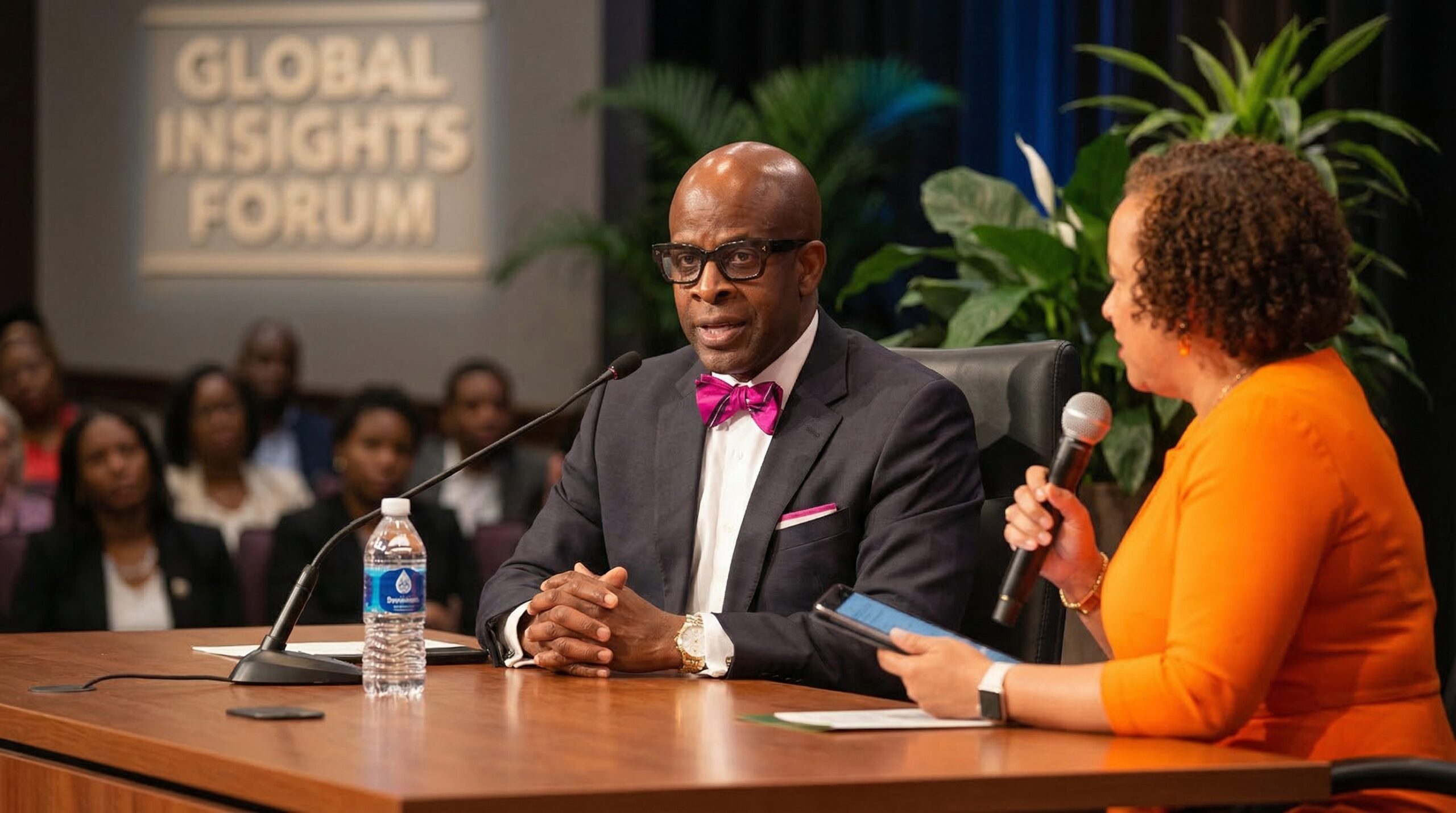
Florida A&M University (FAMU) stands at a critical juncture. As a leading Historically Black College and University (HBCU), the institution is navigating a landscape of evolving educational demands, funding allocations, and expanding enrollment. Selecting the right leader to guide the university through these complex dynamics is the top priority for the FAMU Board of Trustees and the broader campus community.
The presidential search has drawn national attention, bringing forward a slate of highly qualified administrators and academic leaders. Among the notable candidates stepping into the spotlight is Dr. Rondall Allen. With an extensive background in higher education administration and health sciences, Allen presents a compelling portfolio of experience for the university’s top office.
This article explores the professional journey of Rondall Allen. We will review his academic credentials, his administrative track record, and the vision he proposes for the future of Florida A&M University. For stakeholders seeking to make informed evaluations during this critical selection process, understanding the nuanced qualifications of each candidate is a necessary step.
Who is Dr. Rondall Allen?
Dr. Rondall E. Allen has built a robust career rooted in academic rigor and administrative leadership. His background bridges the gap between specialized health sciences and broad university governance, giving him a unique vantage point on the operational realities of modern higher education institutions.
Background and Education
A commitment to educational excellence defines Allen’s academic journey. He holds a deep foundation in the pharmaceutical sciences, a discipline that requires rigorous analytical skills and a commitment to public health. His educational trajectory laid the groundwork for his subsequent transition into academic leadership. Understanding the rigorous demands of professional health programs has informed his approach to student success and faculty support throughout his career.
Professional Experience
Allen’s professional path is marked by progressive leadership responsibilities. He has served in critical administrative capacities, most notably as Provost and Vice President for Academic Affairs. In these roles, he has overseen curriculum development, accreditation processes, and faculty governance. Managing the academic enterprise of a university requires a delicate balance of resource allocation, strategic planning, and consensus-building among diverse academic departments.
Leadership Roles and Achievements
Throughout his career in higher education, Allen has championed initiatives designed to improve student retention and graduation rates. He has played pivotal roles in expanding academic program offerings, particularly in the STEM and health science fields. His leadership is often characterized by a data-driven approach to academic affairs, ensuring that institutional resources align closely with student needs and workforce demands.
Candidacy for FAMU President
The transition from a provost or academic vice president to a university president requires a shift from managing the academic core to overseeing the entire institutional enterprise. Allen’s candidacy for the FAMU presidency centers on his readiness to make this transition and his specific vision for the university’s growth.
Why He is Running
Allen’s interest in the FAMU presidency aligns with his lifelong commitment to the mission of HBCUs. Florida A&M University represents a pinnacle of academic achievement and cultural significance. For an administrator with a background in academic growth and student empowerment, leading FAMU offers an opportunity to impact higher education on a national scale. He views the presidency as a chance to build upon the university’s rich legacy while steering it toward new horizons of innovation.
Key Priorities and Initiatives
During the search process, candidates must articulate clear priorities. Allen’s platform emphasizes operational efficiency, academic excellence, and robust student support systems. He recognizes the necessity of modernizing campus infrastructure and enhancing the university’s research capabilities. Furthermore, securing diversified funding streams—through alumni engagement, corporate partnerships, and federal grants—remains a central pillar of his administrative philosophy.
Vision for the University’s Future
Allen envisions a future where FAMU solidifies its standing as a top-tier research institution without compromising its historic mission of access and equity. His vision encompasses a holistic approach to student development, where academic rigor is paired with comprehensive mental health resources and career readiness programs. He advocates for fostering a campus culture that is agile, inclusive, and deeply connected to the global workforce.
Relevant Experience and Achievements
A candidate’s past performance serves as the most reliable indicator of their future leadership style. Allen brings a specific set of experiences that closely map to the current needs of Florida A&M University.
Past Administrative Roles
Serving as a chief academic officer has equipped Allen with a deep understanding of accreditation standards and faculty relations. He has successfully navigated the complexities of managing multi-million dollar academic budgets and implementing strategic plans. His experience in faculty recruitment and retention is particularly relevant for FAMU, which continually seeks to attract top-tier scholars to its ranks.
Contributions to Education
Beyond the administrative office, Allen has contributed significantly to the advancement of health professions education. He has fostered interdisciplinary collaboration across campus departments, breaking down academic silos to create more cohesive learning experiences for students. His initiatives often focus on closing equity gaps in higher education, ensuring that students from all backgrounds have the resources necessary to succeed.
Awards and Recognitions
Allen’s contributions to higher education and the health sciences have been recognized by various professional organizations. These accolades reflect his standing among his peers and his sustained commitment to academic excellence. His professional affiliations demonstrate an active engagement with the broader discourse on higher education policy and administration.
Community and Stakeholder Reactions
The selection of a university president is a highly public and scrutinized process. The reactions of the campus community provide valuable insights into how a candidate might be received upon taking office.
Perspectives from the Campus
Faculty members often look for a president who understands the nuances of academic freedom, tenure processes, and research support. Given Allen’s background as a provost, many faculty stakeholders view his candidacy favorably, recognizing his deep roots in the academic core of university life. Students, on the other hand, prioritize accessibility, campus safety, and investments in student life. Allen’s past initiatives aimed at student retention have resonated positively with student leadership groups.
Alumni and Public Sentiment
FAMU boasts one of the most passionate and engaged alumni bases in the country. Alumni are deeply invested in the university’s national rankings, athletic programs, and financial health. Reactions to Allen’s candidacy among alumni have focused on his ability to drive fundraising efforts and elevate the university’s institutional profile. Public forums and meet-and-greet sessions have allowed stakeholders to measure his communication style and strategic acumen firsthand.
Comparing the Candidate Field
The FAMU presidential search features a diverse array of candidates, each bringing unique strengths to the table. While some candidates offer extensive backgrounds in politics or corporate leadership, Allen’s profile is distinctly academic.
This deep academic grounding provides a contrast to non-traditional candidates. While corporate leaders might emphasize fiscal restructuring, Allen approaches university governance through the lens of academic program quality and faculty development. His unique perspective ensures that the educational mission of the university remains the central driver of all administrative decisions.
Frequently Asked Questions About the Search
Stakeholders closely following the leadership transition often have questions regarding the logistics and timeline of the process.
When will FAMU announce the new president?
The Board of Trustees establishes a strict timeline for the search process. Following the conclusion of candidate interviews and public forums, the Board will deliberate and vote. Announcements are typically made shortly after the final vote, pending successful contract negotiations with the chosen candidate. Check the official FAMU presidential search website for exact dates.
What is the selection process?
The process begins with the formation of a presidential search committee, which works with an external search firm to identify qualified candidates. The committee reviews applications, conducts initial interviews, and selects a group of finalists. These finalists are then invited to campus for public forums, meetings with stakeholder groups, and final interviews with the Board of Trustees, who ultimately hold the hiring authority.
How can students and alumni provide input?
The search committee actively solicits feedback from the FAMU community. Students, faculty, staff, and alumni are encouraged to attend the public candidate forums, either in person or virtually. Following these sessions, the university typically provides online surveys or feedback forms where stakeholders can share their impressions and recommendations directly with the Board of Trustees.
Looking Ahead to FAMU’s Next Chapter
The appointment of a new president will set the trajectory for Florida A&M University for the coming decade. Dr. Rondall Allen has presented a compelling case for his leadership, grounded in a thorough understanding of academic affairs and a clear vision for institutional growth. His background in health sciences and his extensive administrative tenure provide a sturdy foundation for executive leadership.
As the search process nears its conclusion, it remains vital for the university community to stay informed and engaged. We encourage all students, faculty, and alumni to review the public forums, read the candidates’ strategic proposals, and participate in the feedback mechanisms provided by the Board of Trustees. The future of FAMU depends on the active and thoughtful participation of its entire community.
