
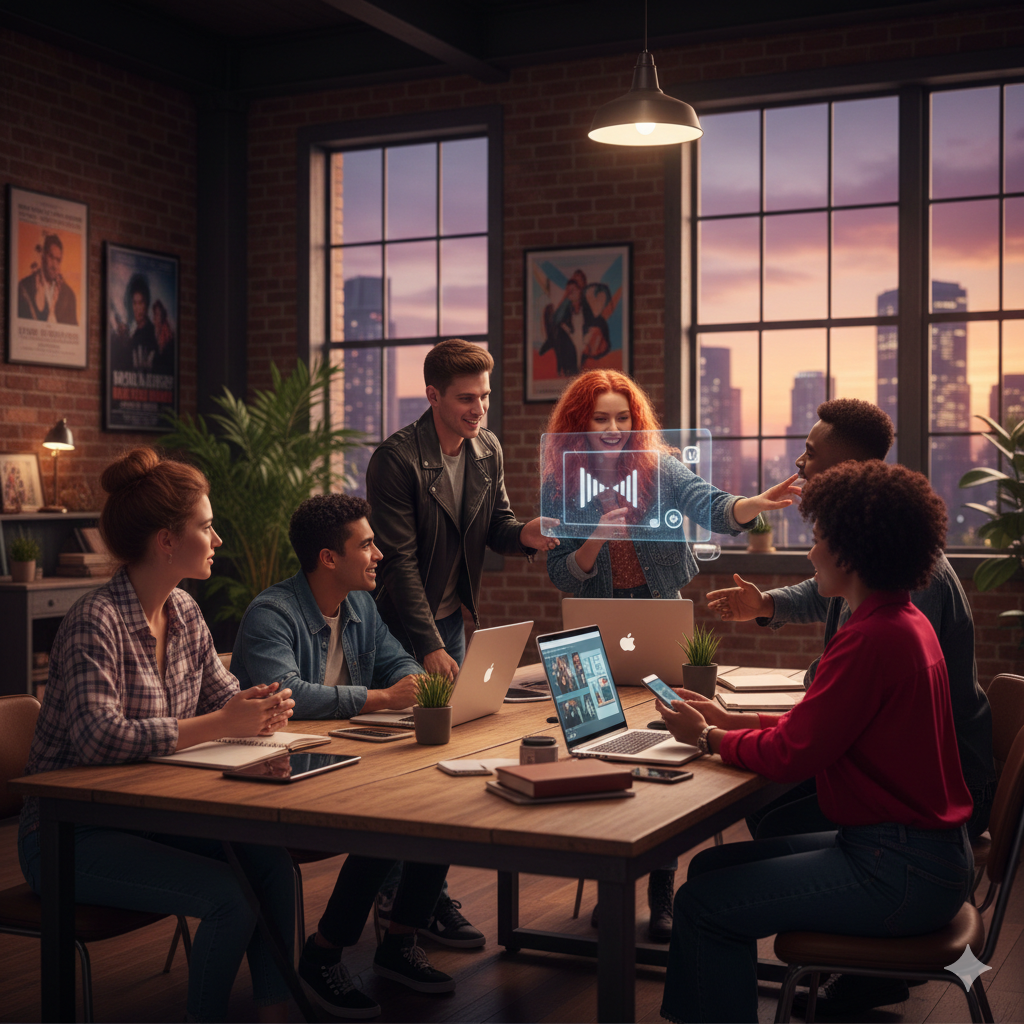
The entertainment world has never been more exciting or more competitive. Today, young entertainment professionals are stepping into an industry that blends creativity, technology, and business like never before. Whether it’s filmmaking, music, digital content, or live events, opportunities are everywhere. But here’s the big question: how do you turn passion into a sustainable career?
Let’s break it down in a practical, real-world way.
Introduction to Young Entertainment Professionals
Who Are Young Entertainment Professionals?
Young entertainment professionals are individuals at the early stages of their careers who work in creative and media-related fields. They may be actors, editors, producers, musicians, content creators, marketers, or event planners. What connects them is a shared goal: building a future in the entertainment ecosystem.
Why the Industry Attracts Young Talent
The entertainment industry offers something many careers don’t creative freedom. Add global exposure, flexible work styles, and the chance to influence culture, and it’s easy to see why young people are drawn to it.
The Evolution of the Entertainment Industry
From Traditional Media to Digital Platforms
Not long ago, success meant getting into television networks, film studios, or record labels. Today? A smartphone and internet connection can launch a career.
Streaming services, podcasts, YouTube, and short-form platforms have changed the game.
Opportunities Created by Streaming and Social Media
The digital shift has opened doors for:
-
Independent filmmakers
-
Self-published musicians
-
Influencers and creators
-
Virtual event producers
In other words, gatekeepers are fewer and opportunity is bigger.
Key Career Paths for Young Entertainment Professionals
Film and Television Careers
Roles include:
-
Directors and producers
-
Editors and cinematographers
-
Scriptwriters and production assistants
Entry-level positions often start behind the scenes, but they build essential experience.
Music and Performing Arts
From studio recording to live performances, young artists now have multiple revenue streams including streaming, licensing, and live shows.
Digital Content Creation and Influencers
Content creation is no longer a hobby it’s a career. Brands actively collaborate with creators who build engaged audiences.
Event Management and Production
Concerts, festivals, and corporate events need planners, coordinators, and technical teams. Hybrid and virtual events have expanded this field even further.
Essential Skills for Success
Creative Skills and Storytelling
At its core, entertainment is about storytelling. Whether you’re editing videos or managing talent, creativity is your strongest currency.
Technical and Digital Expertise
Skills like video editing, sound design, animation, and social media analytics are highly valuable.
Communication and Networking
Talent opens doors. Relationships keep them open.
Business and Personal Branding
Understanding contracts, pricing, and audience building helps turn creative work into a sustainable career.
Education and Training Options
Formal Education Programs
Film schools, media degrees, and performing arts programs provide structured learning and industry exposure.
Online Courses and Certifications
Platforms now offer affordable training in editing, production, marketing, and more.
Learning Through Internships and Projects
Nothing beats hands-on experience. Many professionals build their careers through freelance projects and internships.
Building a Strong Portfolio
Creating a Personal Brand
Think of your brand as your professional identity. What makes you unique?
Showcasing Work Online
A personal website, LinkedIn profile, or portfolio platform helps you stand out. Recruiters and clients often search online before hiring.
Networking in the Entertainment Industry
Industry Events and Communities
Film festivals, music conferences, and workshops are excellent places to meet collaborators and mentors.
Leveraging Social Media for Connections
Platforms like LinkedIn, Instagram, and even Twitter help young entertainment professionals connect directly with industry leaders.
Challenges Faced by Young Entertainment Professionals
Competition and Job Instability
The industry is crowded. Many roles are freelance or project-based.
Financial Pressure and Freelance Lifestyle
Income may fluctuate, especially early in your career.
Mental Health and Work-Life Balance
Long hours, creative pressure, and uncertainty can take a toll. Managing stress is essential for long-term success.
Opportunities in the Digital Era
Monetization Through Platforms
Creators can earn through:
-
Ads and sponsorships
-
Memberships and subscriptions
-
Licensing content
Global Audience Reach
One viral video can reach millions worldwide. Geography is no longer a barrier.
The Importance of Mentorship
Finding Mentors
Mentors provide guidance, industry insights, and career advice.
Learning from Industry Leaders
Following experienced professionals, attending talks, and joining communities accelerates learning.
How to Stand Out in a Competitive Market
Niche Specialization
Instead of being “good at everything,” focus on a specialty color grading, podcast production, or social media storytelling.
Consistency and Professionalism
Meeting deadlines, communicating clearly, and delivering quality work builds your reputation.
Future Trends in the Entertainment Industry
AI and Virtual Production
Artificial intelligence, virtual sets, and real-time rendering are transforming production workflows.
Interactive and Immersive Content
Virtual reality, augmented reality, and interactive storytelling are creating new career opportunities.
Success Stories and Real-World Examples
Many young professionals start small editing videos for local creators, producing short films, or managing social accounts. Over time, consistent work and smart networking lead to bigger projects, brand partnerships, and industry recognition.
The pattern is simple: start small, stay consistent, grow strategically.
Tips for Long-Term Career Growth
-
Keep learning new tools and trends
-
Build multiple income streams
-
Collaborate with other creatives
-
Maintain a professional online presence
-
Focus on reputation and reliability
Think of your career like a marathon, not a sprint.
Conclusion
The future belongs to young entertainment professionals who combine creativity with strategy. The industry is evolving rapidly, but that’s actually good news. More platforms, more audiences, and more tools mean more opportunity than ever before.
Success doesn’t come overnight. It comes from learning, networking, adapting, and showing up consistently. If you stay curious, build real skills, and treat your craft like a business, you won’t just survive in the entertainment world you’ll thrive.
FAQs
1. What careers are available for young entertainment professionals?
Options include filmmaking, content creation, music production, event management, acting, editing, marketing, and more.
2. Do I need a degree to enter the entertainment industry?
Not always. Skills, portfolio, and experience often matter more than formal education.
3. How can beginners gain experience?
Start with internships, freelance projects, personal content, or collaborations with other creators.
4. What is the most important skill in the entertainment industry?
A combination of creativity, technical ability, and strong networking skills.
5. How do young entertainment professionals earn money online?
Through ads, brand partnerships, sponsorships, subscriptions, digital products, and content licensing.
